FAQ — Nurture-AD Architecture
1. Who is the Architect responsible for Nurture-AD’s projects?

João Pedro Quaresma, an architect with more than 30 years of experience in design and construction, specialises in creating energy-efficient, comfortable and technically rigorous buildings.
At Nurture-AD, he develops and coordinates projects applying Passivhaus and nZEB principles, delivering architectural solutions of high quality, high performance and constructive simplicity.
His career is defined by a multidisciplinary approach that integrates architecture, engineering, management and energy efficiency. He holds MRICS (Real Estate Valuation), IPMA-C (Project and Construction Management) and PQI-REH (Building Energy Efficiency) certifications.
He has worked in international and technically demanding environments, including at the Japanese company AOKI Corporation, responsible for Quinta da Penha Longa — one of Portugal’s most iconic luxury developments — where he served as Project Director. He also collaborated with Plabelas, part of the André Jordan Group, contributing to the development of Belas Clube de Campo, another benchmark project in the premium residential segment.
He also acts as an Expert Evaluator for the European Commission, assessing research and innovation proposals in sustainable construction, energy and the built environment.
2. Do you only work in Cascais, where your office is located?
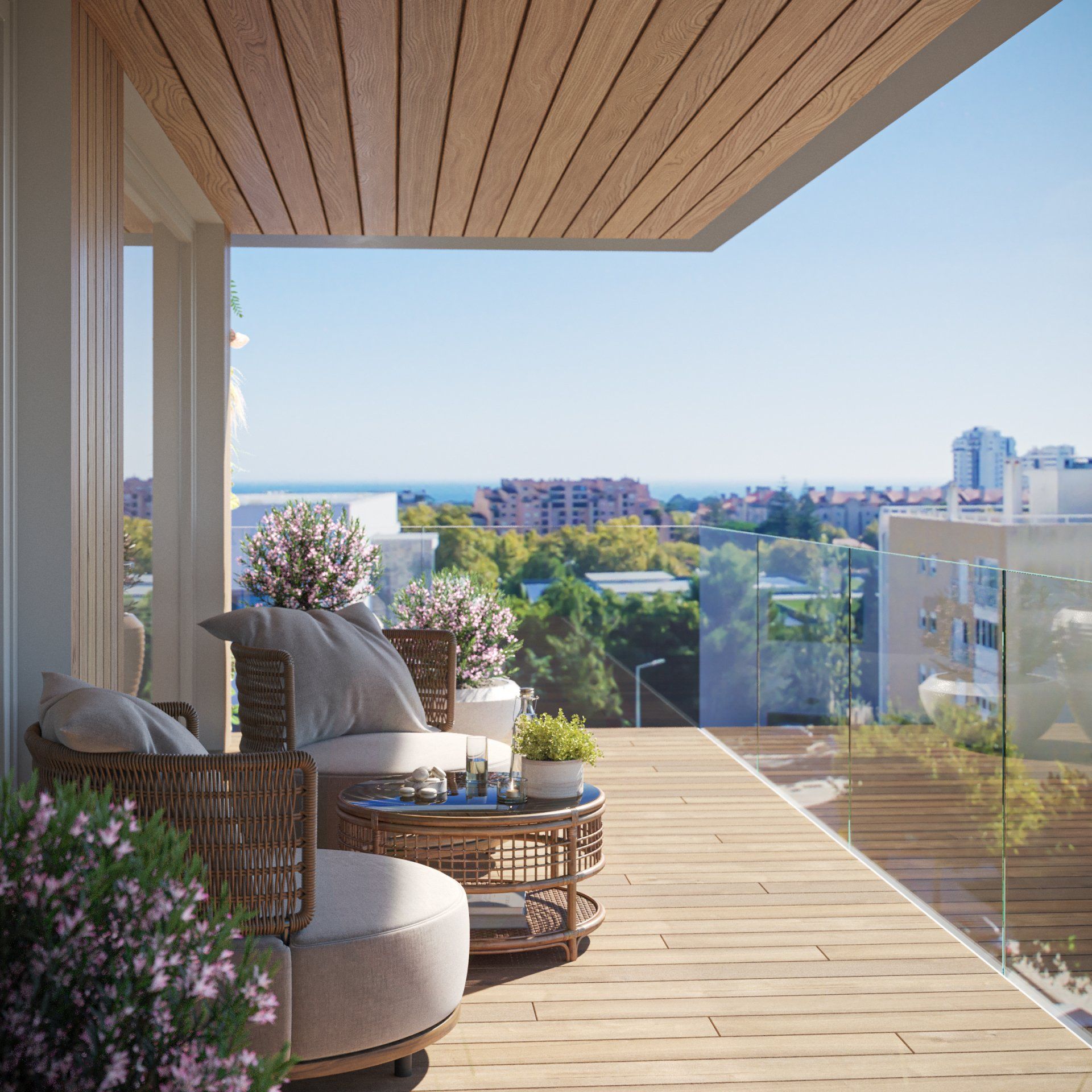
Although based in Cascais, Lisbon, where he has lived for more than 30 years, he develops projects throughout the entire national territory, including the Azores.
He has more than 200 projects (over 100,000 m² built) licensed in the Algarve, Greater Lisbon — Cascais, Sintra, Mafra, Oeiras, Loures, Vila Franca de Xira, including the city of Lisbon itself — as well as in the districts of Setúbal and Santarém.
3. Do you have experience with Licensing processes?
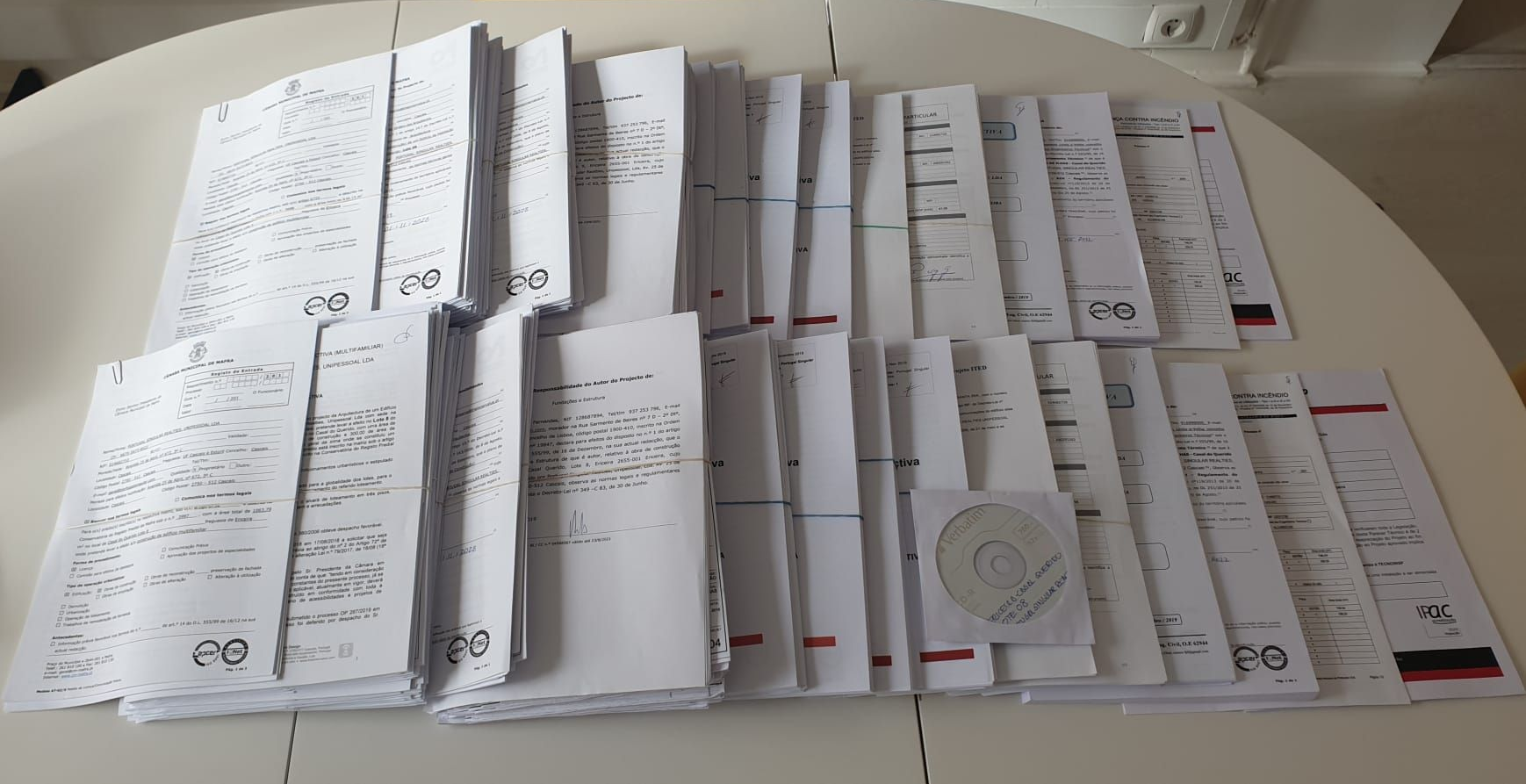
Yes. This is one of João Pedro Quaresma’s strongest areas of expertise.
In every professional context in which he has worked, licensing processes have been critical to the success of the projects.
Communication with Municipal Authorities is conducted professionally and responsibly, based on a deep knowledge of Urban Planning and Building legislation, ensuring legal certainty and efficiency throughout the approval process.
4. Are your projects exclusively residential, specifically single-family homes?
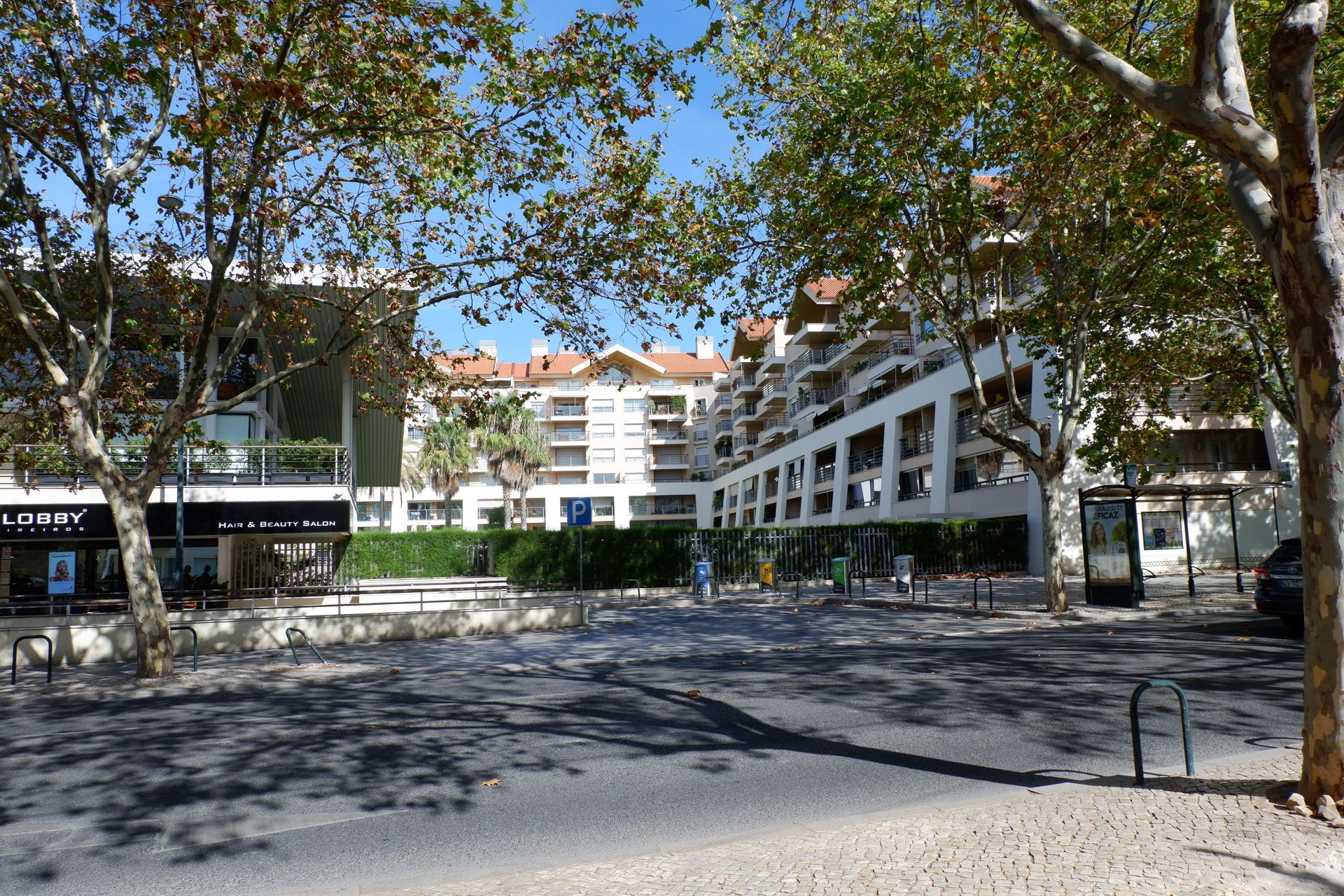
No. Our professional experience is broad and diverse.
The portfolio includes:
- Offices and services
- Retail
- Educational buildings
- Healthcare facilities
- Industrial buildings
- Single-family and multi-family housing
Among the multi-family projects, notable examples include luxury developments such as:
- Condomínio Parque Cidadela in Cascais, comprising 150 apartments
- Cascais Terraces, currently under construction in Bairro da Assunção
In the premium residential segment, the portfolio also includes several homes in Quinta da Marinha and Jardins da Parede.
5. Do you have experience with detailed design (execution project) and construction supervision?
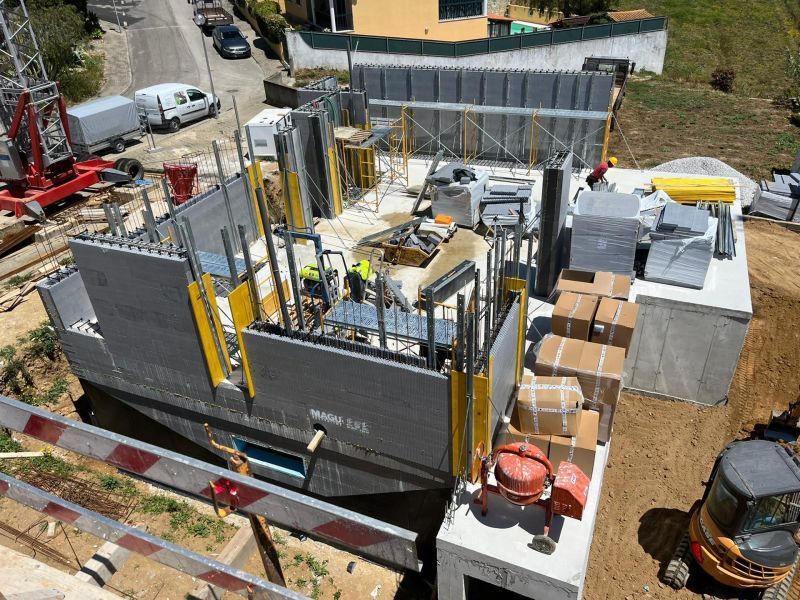
Yes.
The rigorous application of the Passivhaus standard, combined with extensive experience in Construction Management, ensures highly detailed technical execution projects and solid, precise construction supervision.
The Passivhaus certifications achieved in several projects reinforce this technical and methodological capability.
6. Are all your projects Passive House?
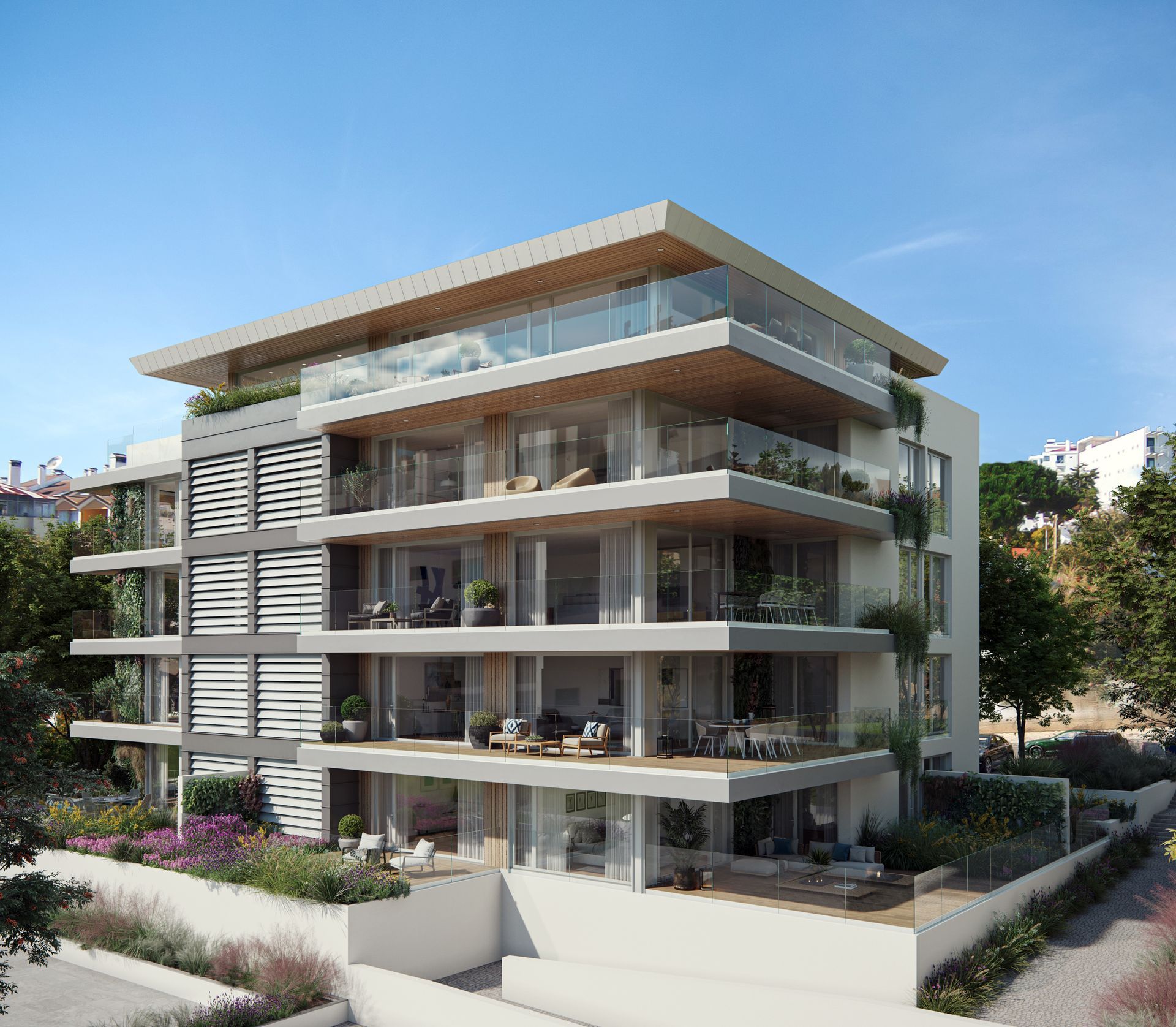
All projects are designed based on Passivhaus principles, regardless of whether the client requests certification.
A bioclimatic approach, constructive rigour and energy optimisation are part of Nurture-AD’s DNA.
Passivhaus certification is always optional and depends solely on the client’s final decision.
7. Can luxury developments also be built and certified according to the Passivhaus standard?
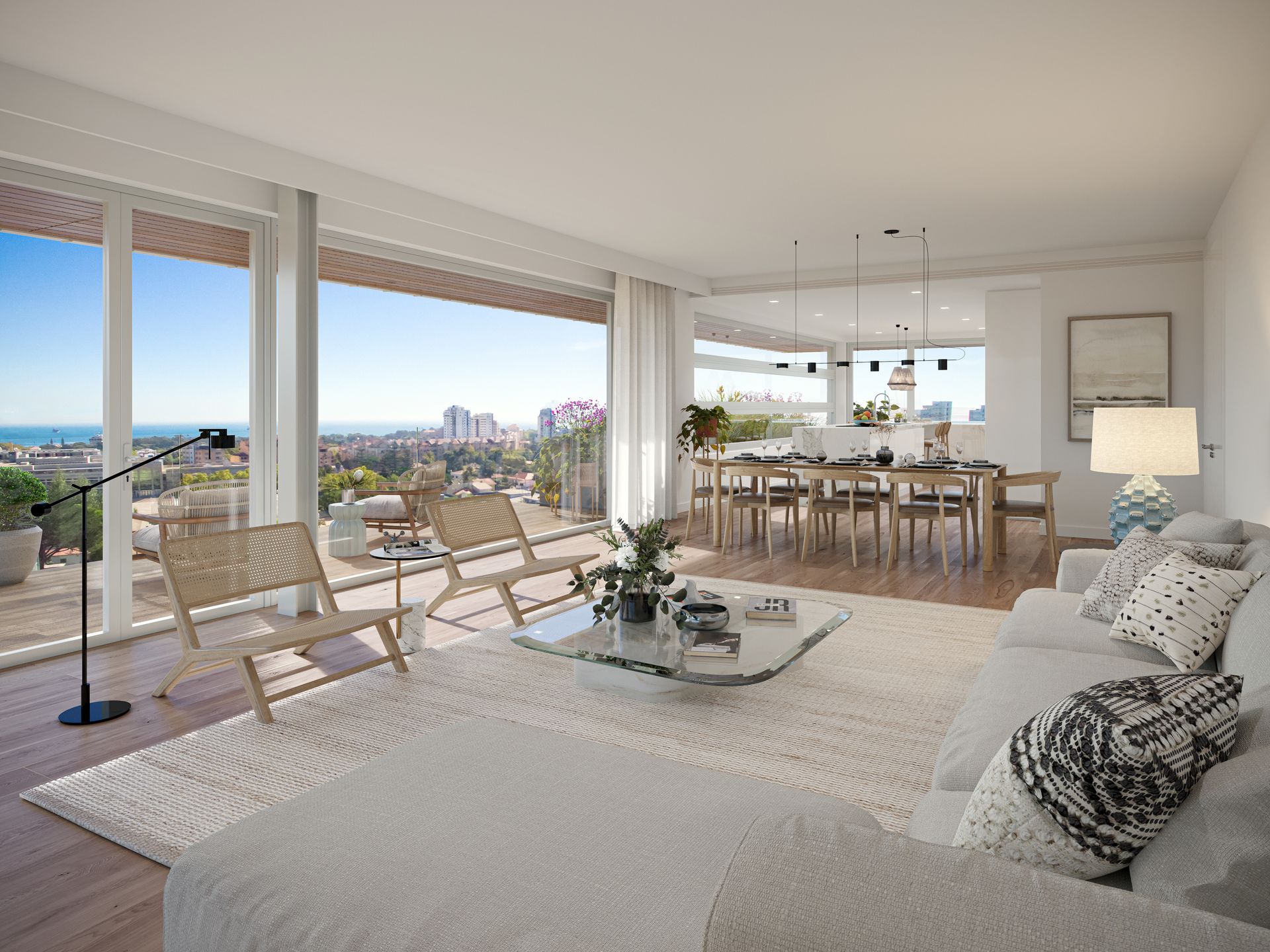
Yes — and they should be.
Any luxury project can be built and certified according to Passivhaus.
In fact, in larger and more sophisticated buildings, applying these principles makes even more sense: potentially high energy consumption becomes highly controlled, and comfort reaches a superior level.
8. And what about social housing?

In social housing, Passivhaus principles are particularly relevant.
They help combat energy poverty, ensure permanent thermal comfort and reduce operating costs — a responsible and socially conscious approach.
9. Quanto tempo é necessário para construir uma Passivhaus?
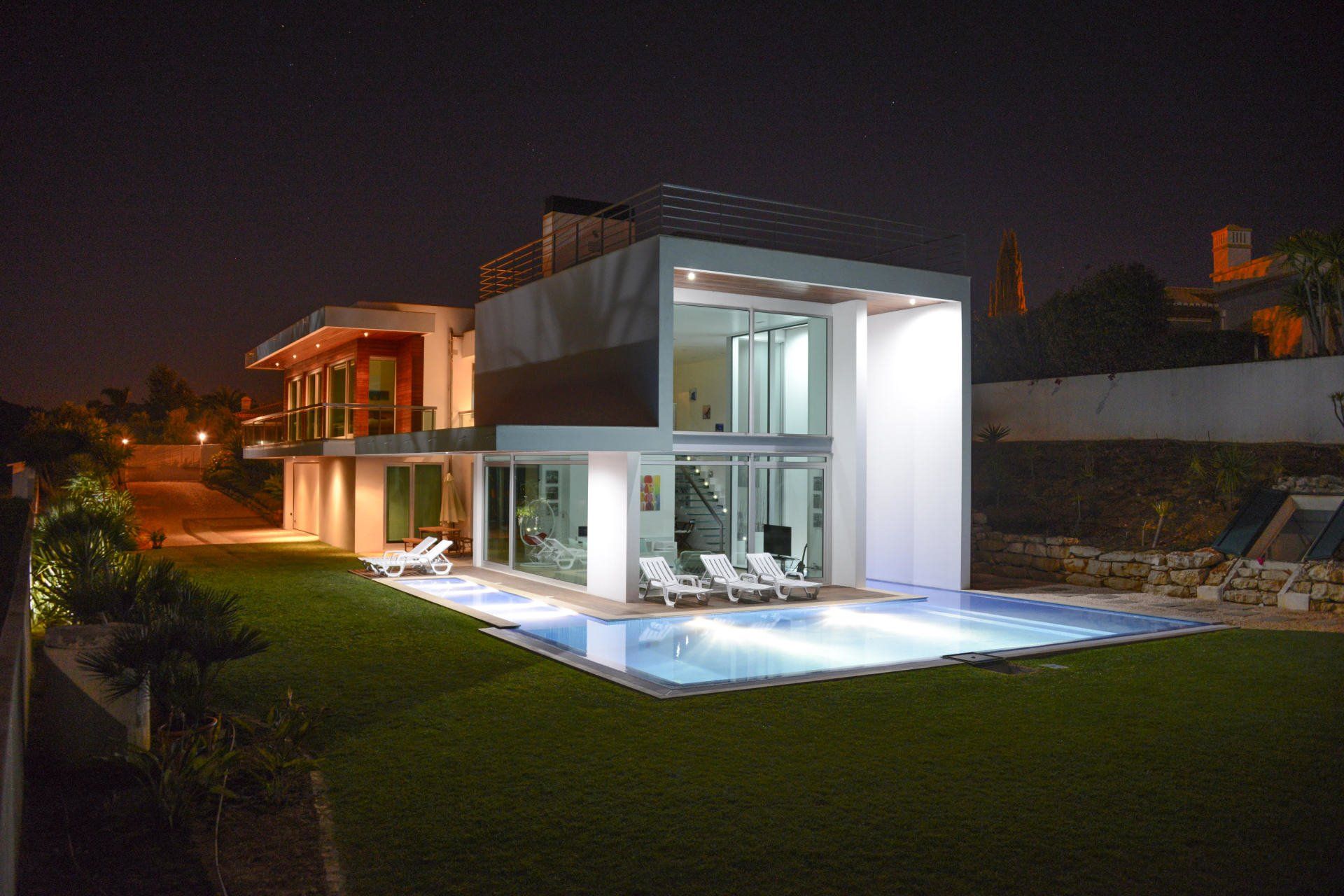
The timelines are equivalent to those of any high-quality project.
They depend on the urban planning context and the scope of work:
- Design + Licensing + Tender Process: approximately 1 year
- Construction: between 1.5 and 2 years, depending on complexity
The timelines should be confirmed according to the work programme and the specific proposal for each project.
10. Are the costs of a Passivhaus higher than those of traditional construction?

No.
A traditional building that rigorously meets all legal requirements has costs equivalent to a Passivhaus.
The slight increase in passive solutions (such as insulation) is offset by the reduction of systems that are no longer needed, lowering both the initial investment and the maintenance and operating costs.
11. How much do architectural fees cost?
Architectural fees vary according to the project’s scale, complexity and the scope of services required.
When the work includes coordination with engineering disciplines, detailed design (execution project), Passivhaus methodology, and construction supervision, the fee reflects the technical depth and responsibility involved.
In Portugal, for a complete architectural service from concept to construction support, fees typically range between 4% and 7% of the construction cost.
The exact value depends on the specific requirements, level of detail and the degree of involvement during the construction phase.
This fee structure ensures a rigorous, well-coordinated project, optimised for comfort, energy performance and technical quality.
12- Is there value for money in contracting a full architectural design service, including Passivhaus certification?
Yes. A complete architectural service — from concept and detailed design to coordination with engineering disciplines, construction support and Passivhaus certification — provides substantial value by ensuring technical rigour, consistency and a fully optimised project.
This integrated approach reduces additional works, minimises delays on site, and avoids design gaps or incompatibilities that often lead to increased costs during construction.
Passivhaus methodology further improves comfort, energy performance and long-term efficiency, resulting in a building with predictable, verified performance.
By preventing avoidable expenses, ensuring smoother construction processes and delivering higher-quality outcomes, a full architectural service represents a cost-effective and strategically sound investment.
13- Do you work with real estate developers or only with private clients?
We work with both.
For developers, Nurture-AD provides technical clarity, cost predictability, energy efficiency and accelerated decision-making — all essential for return on investment.
For private clients, the focus is on crafting deeply personalised, comfortable and high-performance homes.
14- How does Passivhaus add value to premium properties?
Passivhaus certification raises the quality benchmark by ensuring exceptional comfort, thermal stability, pure indoor air and real energy efficiency.
These attributes make buildings more desirable, with lower operating costs and greater long-term value.
In high-end markets, performance becomes a clear differentiator.
15- Do you assist clients in defining the investment, timeline and risk profile of the project?
Yes.
Combined experience in architecture, management and construction allows us to guide clients from the earliest stages, providing investment estimates, realistic scheduling and identification of technical risks.
This support reduces uncertainty and enables informed, strategic decision-making.